
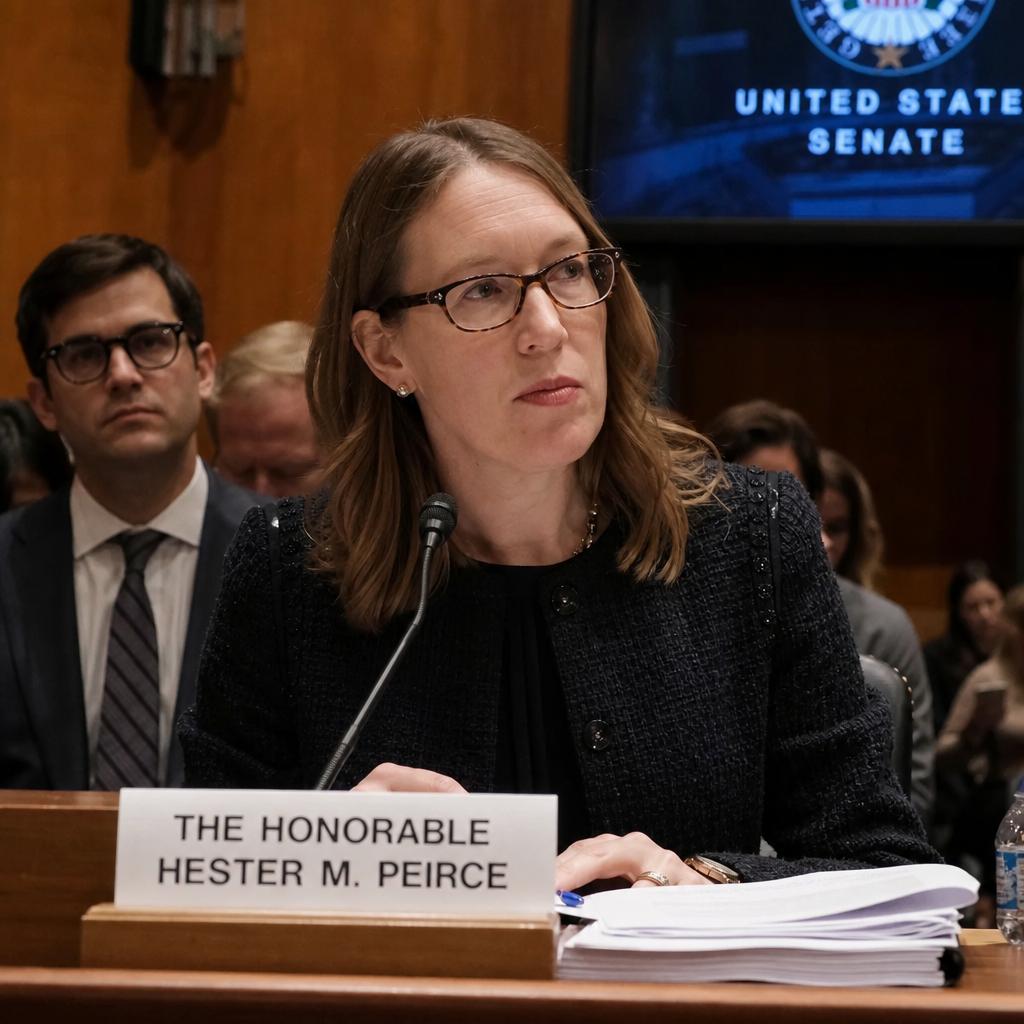


For years, cryptocurrency operated in a legal gray area. It was decentralized, borderless, and largely outside the reach of traditional financial oversight. That is no longer the case. Governments around the world are moving to regulate digital assets, and the patchwork of rules emerging is becoming central to how the industry evolves.
United States: A Federal Framework in Progress
In the United States, responsibility for crypto has historically been splintered across agencies. The SEC treats many tokens as securities, while the CFTC views bitcoin and ether as commodities. That fragmented approach has created confusion for businesses and investors.
A New Executive Order
The current administration, however, has made a push for clarity. In January 2025, President Trump issued an executive order requiring the creation of a working group on digital asset markets. The group’s mandate is to recommend regulatory and legislative proposals that would bring crypto under a more coherent federal framework. The order explicitly backs the responsible growth and use of digital assets, blockchain technology, and related innovations. It also emphasizes the need for regulatory clarity and certainty built on rules that protect consumers without stifling development.
Bills Before Congress
That tone signals a shift from the more aggressive enforcement stance of previous years. Several bills are also pending before Congress, aiming to define whether digital assets are securities, commodities, or something new entirely.
European Union: Anti-Money Laundering Takes Center Stage
Across the Atlantic, the European Union has taken a different path. Rather than waiting for a comprehensive crypto-specific framework, the EU folded crypto into its anti-money laundering regime.
5AMLD Brings Crypto Into Scope
The 5th Anti-Money Laundering Directive, signed into law in January 2020, marked the first time crypto exchanges and wallet providers were brought within the scope of EU money laundering rules. That forced platforms to perform customer due diligence and report suspicious activity.
6AMLD Raises the Stakes
Since then, the EU has moved on to the 6th Anti-Money Laundering Directive. The 6AMLD tightens definitions of money laundering offenses, imposes stricter penalties, and expands liability to legal entities. For crypto firms, this means more compliance responsibilities and greater consequences for non-compliance. It’s a clear signal that the EU views crypto not as a fringe experiment, but as a financial activity that must be monitored like any other.
United Kingdom: Extending Traditional Rules to Cryptoassets
The United Kingdom is following a similar trajectory. In October 2023, the UK published a policy paper titled “Future financial services regulatory regime for cryptoassets.” The approach extends existing financial services regulation to cryptoassets, bringing them into the same regulatory perimeter as traditional assets.
A Shift Toward Standard Financial Regulation
That means firms dealing in crypto will need to meet standards around authorization, conduct, and market integrity. This alignment with traditional finance is significant. It recognizes that cryptoassets are not ephemeral or marginal. They are part of the financial system, and as such, they should be governed by rules that ensure stability and protect investors. The UK’s move is expected to create a more predictable environment for companies seeking to operate there.
Looking Ahead: Industry Impact and What’s Next
The impact of these regulatory shifts is already being felt. Crypto exchanges are investing heavily in compliance teams. Banks are becoming more willing to work with digital asset firms that hold clear licenses. And institutional investors, who once hesitated due to regulatory uncertainty, are beginning to enter the market. The future of crypto regulation will likely continue to evolve quickly. The U.S. working group is expected to issue recommendations, and both the EU and UK will refine their regimes as technology changes. One thing is clear: the era of unregulated crypto is over. The challenge now is to build rules that foster innovation while protecting consumers. That balance is difficult, but it is the defining issue for digital assets in the coming years.