23 October, 2026
Friday
TECHNOLOGY
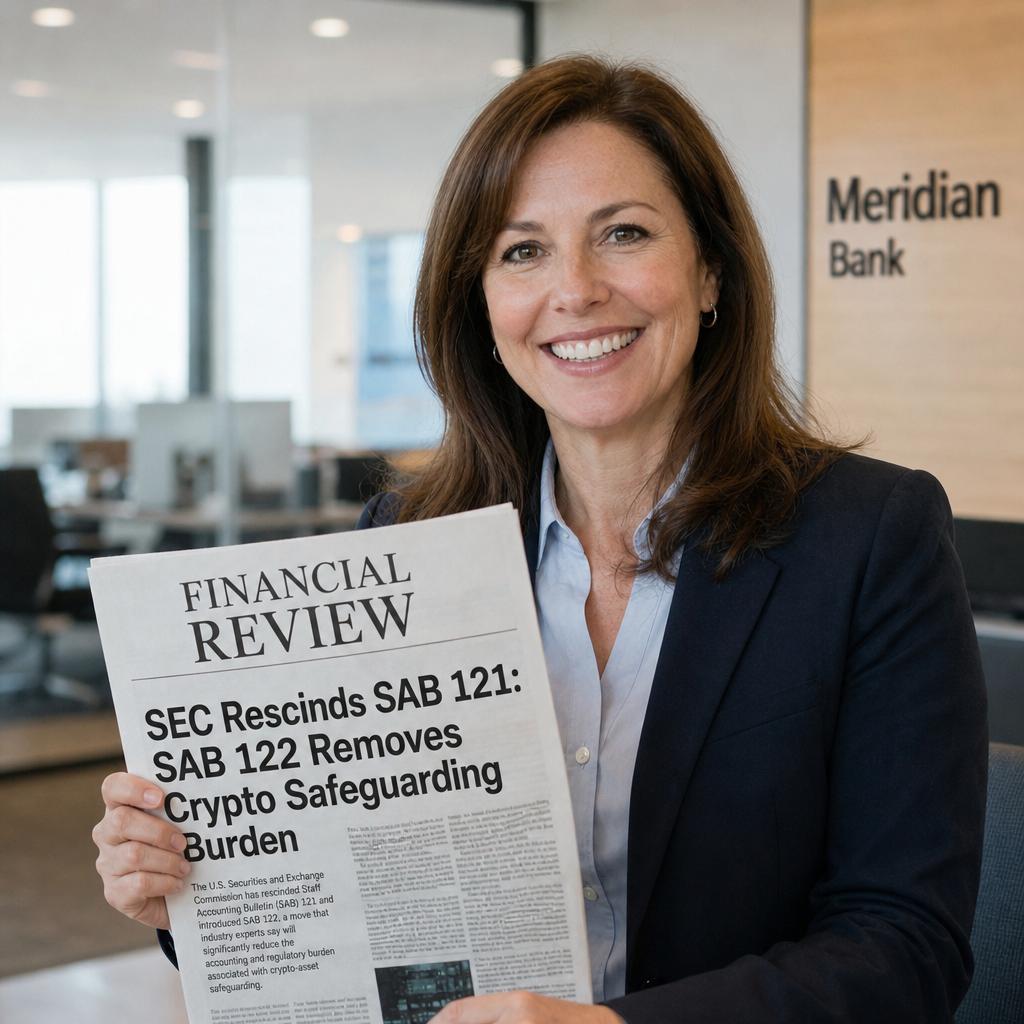
SEC Rescinds SAB 121: SAB 122 Removes Crypto Safeguarding Burden
SEC Rescinds SAB 121: SAB 122 Removes Crypto Safeguarding Burden
A Sudden Shift in Crypto Accounting Rules
In a move that caught many in the financial and crypto sectors off guard, the U.S. Securities and Exchange Commission (SEC) quietly published Staff Accounting Bulletin No. 122 on January 23, 2025, effectively rescinding its predecessor, SAB 121. The new bulletin reverses a controversial requirement that forced firms safeguarding crypto assets to record both a liability and a corresponding asset on their balance sheets. For an industry long burdened by that rule, the change is nothing short of a seismic shift.
Why SAB 121 Was So Controversial
SAB 121, originally issued in April 2022, directed entities that protect crypto assets for customers to recognize a liability equal to the fair value of those assets, along with an identical asset on the other side of the ledger. The idea was to increase transparency around the risks of safeguarding digital assets, particularly after the collapse of platforms like FTX revealed gaping holes in custody practices. But critics said the rule made no economic sense. It artificially inflated balance sheets, distorted core financial metrics like leverage ratios and regulatory capital, and made it exceptionally expensive for banks and trust companies to offer crypto custody services. As a result, many traditional financial institutions simply avoided the market altogether, leaving crypto custody mostly to dedicated firms and exchanges.
What SAB 122 Changes
SAB 122 rescinds that guidance entirely. Entities that were previously within the scope of SAB 121 will no longer need to recognize a safeguarding liability and corresponding asset. For publicly traded companies, this means cleaner balance sheets and a more accurate picture of their true liabilities. The change also removes a major barrier to entry for banks that have been eyeing crypto custody but were deterred by the punitive accounting treatment. According to industry estimates, firms that had already implemented SAB 121 may see a substantial reduction in total assets and liabilities on their next quarterly reports, which could improve return-on-equity figures and free up capital for other activities.
Industry Context and Immediate Impact
The timing of the rescission is notable. It comes just two days after a new SEC leadership team took office, and it aligns with a broader regulatory reassessment of digital assets. The decision was issued without a public comment period, underscoring the SEC's desire to act quickly and decisively. Market reaction has been positive, with shares of crypto-linked companies rising modestly on the news. Custody providers, in particular, are expected to benefit. Companies like Coinbase, which had pushed back on SAB 121 for years, applauded the move. Consumer and investor protection advocates, however, have raised concerns that removing the disclosure requirement could reduce visibility into custodial risks. Yet the SEC's new guidance does not eliminate all safeguards; it merely removes the specific accounting requirement, while other custody rules, such as segregation of assets and state-level licensure, remain in effect.
A Forward-Looking Conclusion
The rescission of SAB 121 is a clear victory for the crypto industry, but it is not the end of the regulatory story. The SEC is expected to issue further guidance on digital asset disclosures in the coming months, including areas like valuation, revenue recognition, and risk reporting. For financial institutions, the immediate win is substantial: they can now engage in crypto custody without the balance-sheet penalty that held many back. Over time, this could lead to deeper institutional participation, more robust custody infrastructure, and a safer, more integrated digital asset ecosystem. The challenge now will be for the SEC to strike a balance between fostering innovation and maintaining investor trust. If the swift action on SAB 122 is any indication, that balance may be shifting decisively toward growth.
What's your reaction?
0

AWESOME!
0

LOVED
0

NICE
0

LOL
0

FUNNY
0

EW!
0

OMG!
0

FAIL!
Recent News

08 Aug 2026