25 October, 2026
Sunday
PAYMENTS
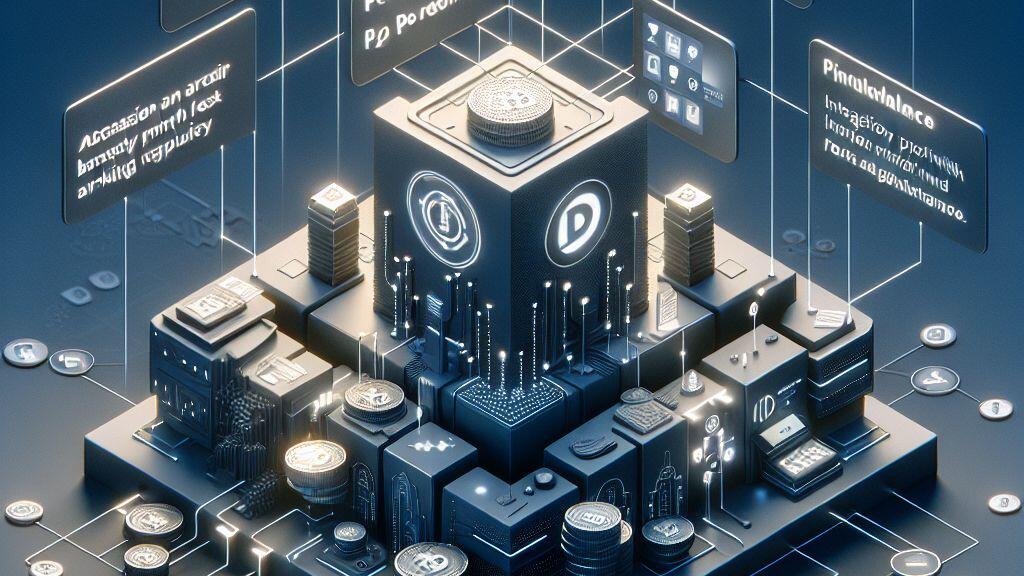
Stablecoin Payments Push Global Transfers Toward Simplicity
Stablecoin Payments Push Global Transfers Toward Simplicity
Stablecoin payments are gaining momentum as businesses and consumers look for faster, cheaper, and more transparent ways to move money across borders. What began largely through peer-to-peer networks has matured into a broader ecosystem where fintech platforms and local agents now play a growing role in making these flows more structured and accessible.
In many less-banked regions, peer-to-peer payment networks helped democratize access to liquidity long before formal financial infrastructure caught up. These networks allowed users to exchange value quickly, often bypassing the friction, delays, and high fees associated with traditional cross-border payment rails. That accessibility helped stablecoin-linked transfers gain practical traction in markets where reliable banking access remained limited.
Key Details
Over time, the market has started to shift from purely informal P2P activity toward more organized models. Fintech companies and local agent networks are increasingly acting as bridges into stablecoin flows, adding layers of usability, trust, and operational support. This evolution matters because users are not asking for technical novelty, they are asking for better payments.
The core demand is straightforward: people want transactions that settle quickly, cost less, provide visible tracking, and work across borders without forcing them to understand wallets, chains, or crypto market structure. That expectation is shaping the next phase of digital payments, where the winners may be the providers that can abstract away complexity while keeping the benefits of blockchain-based settlement intact.
For merchants, remittance users, and global operators, this model offers a compelling value proposition. Stablecoin-based systems can reduce settlement times, improve transparency around transaction status, and lower costs compared with legacy correspondent banking routes. In regions underserved by conventional banking, these advantages are especially significant.
Industry Impact
The broader payments industry is watching closely as stablecoin infrastructure becomes less experimental and more service-oriented. The rise of agent-assisted access and fintech-led interfaces suggests the sector is moving beyond early adopters toward mainstream utility. That could put pressure on incumbents in remittances, card-linked international transfers, and small-business payment services.
At the same time, the trend highlights an important industry lesson: adoption depends less on the underlying technology than on how seamlessly it fits into everyday financial behavior. If stablecoin payment providers can continue to deliver global reach, lower fees, and simple user experiences, they may become a durable part of modern payment infrastructure rather than a niche alternative.
Official Source: https://blog.transferxo.com/nigerians-explore-stablecoin-option-for-cross-border-payments/
Tags:
What's your reaction?
0

AWESOME!
0

LOVED
0

NICE
0

LOL
0

FUNNY
0

EW!
0

OMG!
0

FAIL!
Recent News

08 Aug 2026