22 October, 2026
Thursday
TECHNOLOGY
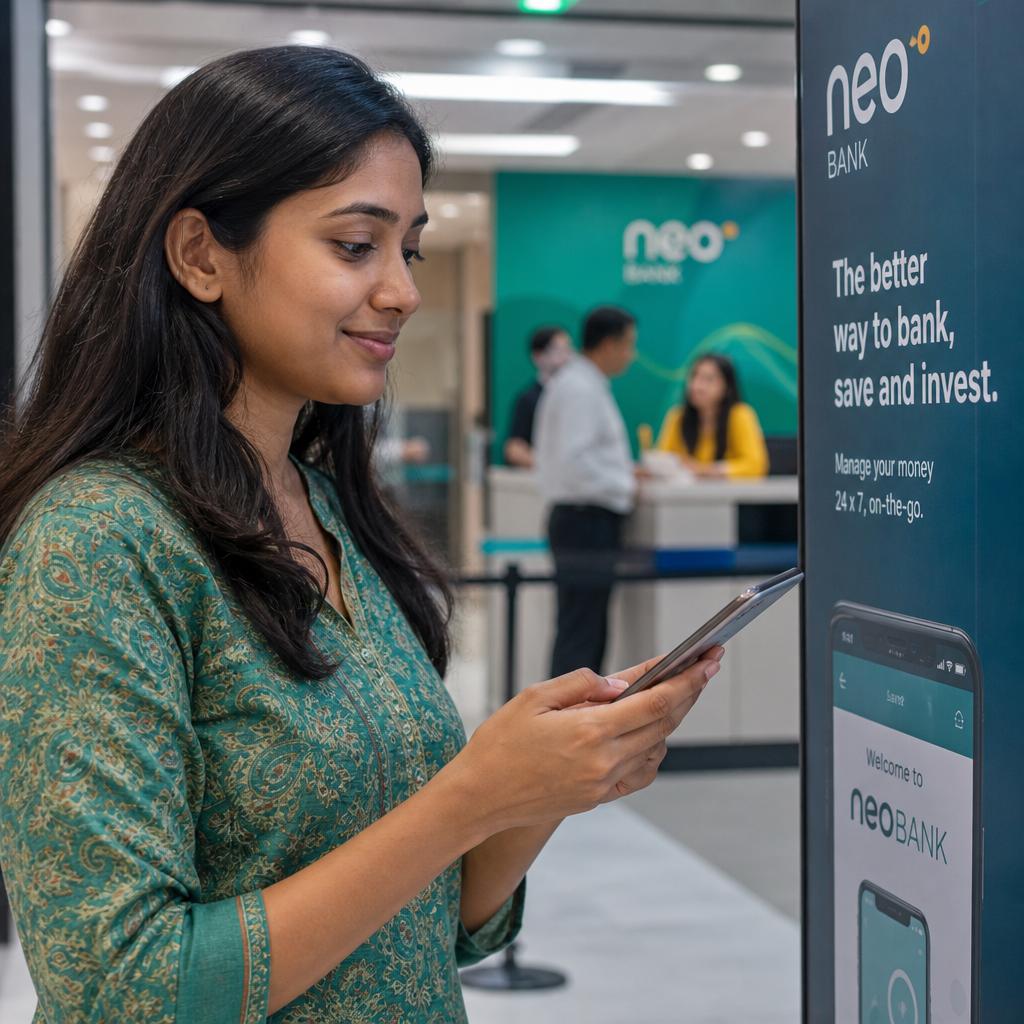
The Rise of Neobanks: Shaping the Future of Digital Banking
The Rise of Neobanks: Shaping the Future of Digital Banking
The Rise of Neobanks: Rewriting the Rules of Banking
Not long ago, standing in line at a brick-and-mortar branch was the norm. Today, a growing number of consumers manage their finances entirely through a smartphone, never once setting foot inside a physical bank. This shift is being driven by neobanks—digital-only financial institutions that are challenging the dominance of traditional banks by offering faster, cheaper, and more personalised services. As the global neobank market surges toward a projected valuation of $2.05 trillion by 2030, according to Allied Market Research, the question is no longer whether neobanks will survive, but how they will reshape the entire banking landscape. The future of digital banking, as outlined in a recent World Finance report, is defined by three powerful forces: advanced technology integration, open banking ecosystems, and hyper-personalised customer experiences.
The Technology Engine: Automation, AI, and Security
At the heart of every successful neobank lies a relentless embrace of cutting-edge technology. Machine learning algorithms now power credit scoring models that can approve loans in seconds, analysing thousands of data points that traditional banks ignore. Automation has slashed operational costs, allowing neobanks like Revolut and N26 to offer fee-free accounts and instant international transfers that would be impossible for legacy institutions. Meanwhile, artificial intelligence is driving conversational chatbots that resolve customer queries around the clock, reducing wait times from minutes to milliseconds. But perhaps most critical is security. Neobanks are pioneering behavioural biometrics and real-time fraud detection systems that constantly learn from user patterns. When a transaction deviates from the norm, the system can freeze the account and alert the customer before any damage is done. This tech-first approach not only attracts tech-savvy millennials but also builds trust with a broader demographic increasingly wary of data breaches at older banks.
Open Banking: Collaboration Over Competition
One of the most transformative trends reshaping neobanking is the rise of open banking. Regulatory pushes in Europe, Asia, and parts of the Americas have forced traditional banks to share customer financial data with third parties through secure APIs. Neobanks have seized this opportunity to build vibrant ecosystems where users can aggregate accounts from multiple providers, compare products, and initiate payments seamlessly. Instead of viewing incumbents as enemies, forward-thinking neobanks are treating them as partners. By plugging into open banking rails, a neobank can offer mortgage referrals from a partner lender or integrate budgeting tools that pull data from a user's legacy savings account. This collaborative model accelerates innovation and gives consumers a holistic view of their finances—something traditional siloed systems could never deliver. The result is a banking experience that is not only more convenient but also far more transparent and competitive.
Personalisation: Banking That Fits Your Life
Perhaps the most compelling advantage neobanks hold over their predecessors is their ability to deliver truly personalised, contextual banking. By analysing spending habits, income patterns, and even location data, neobanks can proactively offer tailored products. Imagine receiving a notification that your account balance is low, paired with a suggested micro-loan at a competitive rate, or a nudge to switch to a high-yield savings account just before your monthly salary arrives. This level of personalisation is not a gimmick—it drives engagement and loyalty. Research from Accenture shows that 91% of consumers are more likely to bank with institutions that provide relevant recommendations. Neobanks are also experimenting with lifestyle integration, embedding banking into ride-sharing, e-commerce, and social media apps. The line between banking and everyday life is blurring, and neobanks are leading the charge.
Industry Impact and the Road Ahead
The rise of neobanks is not without its challenges. Many digital-only lenders have yet to turn a profit, and regulatory scrutiny around data privacy and anti-money laundering is intensifying. Yet the pressure on traditional banks is undeniable. Incumbents are now scrambling to digitise their operations, launching their own digital sub-brands and partnering with fintechs. The World Finance report suggests that the next phase of neobanking will be defined by embedded finance—where banking services are woven into non-financial platforms—and the emergence of super apps that combine banking, investing, insurance, and shopping in one interface. As neobanks continue to refine their models and prove their resilience, one thing is certain: the future of banking is digital, open, and deeply personal. The real question is not whether neobanks will survive, but which traditional banks will be left behind.
What's your reaction?
0

AWESOME!
0

LOVED
0

NICE
0

LOL
0

FUNNY
0

EW!
0

OMG!
0

FAIL!
Recent News

08 Aug 2026